
Klima ne greje? Vzroki, rešitve in nasveti
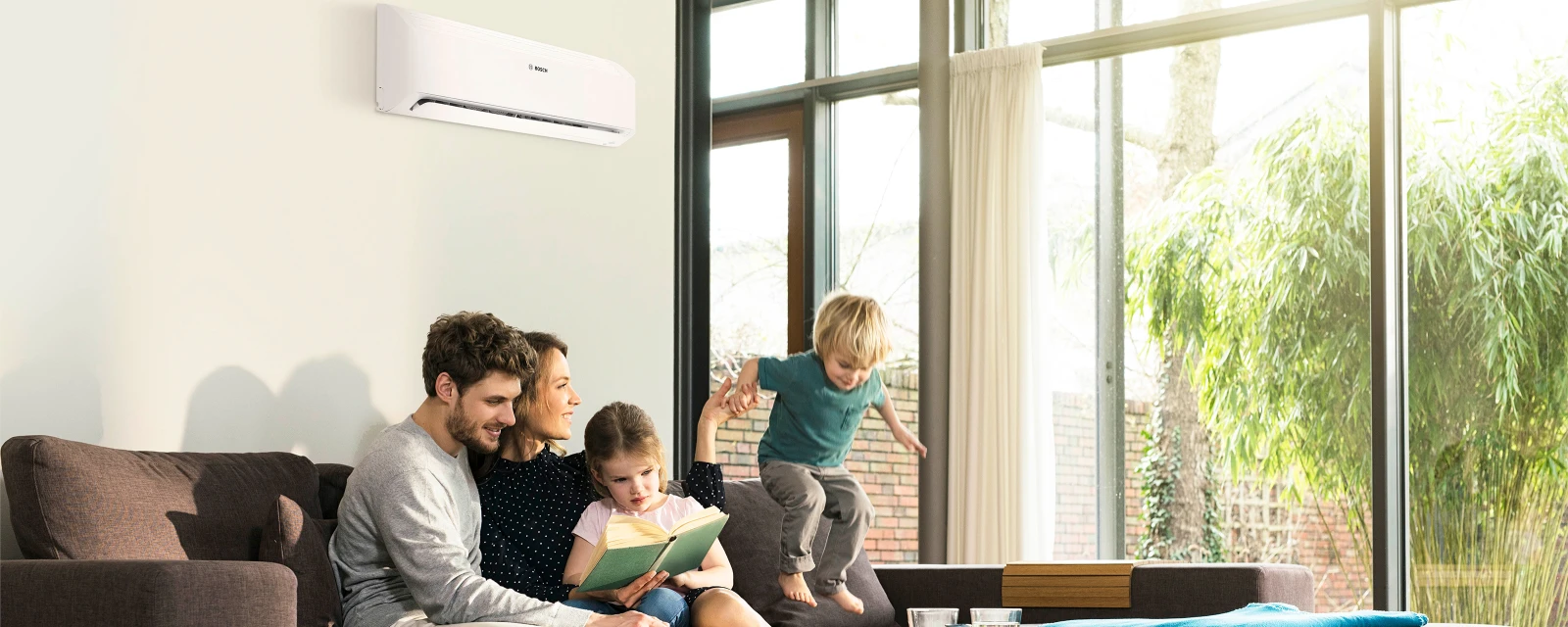
Air conditioning is a part of many homes and provides basic comfort through its ability to heat and cool. There are different types of air conditioning systems:
- Split air conditioners: Split air conditioners consist of an indoor and an outdoor unit and are known for their efficiency and quiet operation.
- Multi-split air conditioners: Multi-split air conditioners make it possible to individually air condition several rooms by connecting an outdoor unit with several indoor units.
- Window air conditioners: Window air conditioners are compact units that are installed directly into a window or wall opening and are well suited for small rooms.
- Portable air conditioners: Portable air conditioners are mobile devices that can be flexibly moved from room to room and do not require permanent installation.
- Central air conditioning systems: Central air conditioning systems cool air through a central unit and distribute it evenly throughout a building through a duct system.
But what do you do if the air conditioning no longer heats or suddenly stops getting warm? This article highlights the most common reasons why a split air conditioning system in the house no longer heats and offers you immediate solutions.
Common causes and solutions when an air conditioner or split air conditioner does not heat
Too little refrigerant
Too little refrigerant
Cause: One of the most common reasons why an air conditioner does not heat up is a lack of refrigerant. This may be due to leaks in the system. If the refrigerant drops below the required level, the air conditioning system can no longer heat effectively.
Solution: Check the system for leaks and recharge the refrigerant. This should ideally be done by a professional.
Defective compressor
Defective compressor
Cause: The compressor is the heart of every air conditioning system. A defective compressor can impair the heating function or cause it to fail completely.
Solution: Have the compressor checked by a qualified technician and replaced if necessary.
Clogged air filters and intake grilles
Clogged air filters and intake grilles
Cause: Dirt and dust can clog the air filters and intake grilles, hindering air circulation and reducing heating performance.
Solution: Clean the air filters and intake grilles regularly to ensure optimal air circulation.
Incorrect dimensioning of the device
Incorrect dimensioning of the device
Cause: An air conditioner that is not designed for the size of the room may have difficulty maintaining a constant temperature.
Solution: Check if the air conditioner capacity is appropriate for the room size. The device may need to be replaced.
Ambient / outside temperature too cold
Ambient / outside temperature too cold
Cause: Air conditioning systems are technical devices whose operation depends on the outside temperature. If the maximum operating temperature is exceeded (i.e. it is too cold), the air conditioning system may no longer heat properly.
Solution: Use auxiliary heating: Some air conditioning systems have an auxiliary heating function or a heating coil. Check whether this is activated and working properly.
Prevention and maintenance
To avoid long-term problems, regular maintenance and inspection of the air conditioning system is essential. An annual service by qualified personnel can help identify and resolve potential problems early. It is recommended to have the annual maintenance done before the start of the permanent heating season.
Conclusion
An efficient air conditioning system is crucial for the comfort in your home. Having a basic understanding of how your air conditioning system works can help you avoid causes of heating problems. In case of a problem, this article offers you possible solutions. But don’t forget: regular maintenance is the key to the longevity of your air conditioning system.

Contact specialist partner
If you need help solving problems with your air conditioning system, contact a specialist partner in your area who will be happy to assist you.
Find installer nearby