
What to Know About the Inflation Reduction Act
Considering an energy efficient upgrade for your home? You could qualify for rebates or tax credits on your HVAC installation thanks to the Inflation Reduction Act (IRA).
Bosch Home Comfort Group offers many sustainable heating and cooling solutions, like heat pumps and water heaters, that may reduce your carbon footprint while saving you money on your utility bills. Learn more about the programs and qualifying Bosch products!
Quick Jump
What is the Inflation Reduction Act? What is the 25C: Energy Efficient Home Improvement Credit? What is the 25D: Residential Clean Energy Credit? What is the High-Efficiency Electric Home Rebate (HEEHR) Program? What is Home Energy Performance-Based, Whole-house Rebate (HOMES) Program? Bosch HVAC IRA-Qualified Products FAQ Links and Resources
What is the Inflation Reduction Act?
The Inflation Reduction Act (IRA) allocates billions of dollars towards clean domestic manufacturing and energy production with the overall goal of reducing greenhouse gas emissions.
Over $20 billion of these funds are allocated for direct spending on home and product upgrades. Additional resources are available for geothermal installations.
New for 2025: Starting January 1, 2025, taxpayers must include the PIN on their 2025 tax returns for any eligible property placed in service in 2025. For specified property in 2025, taxpayers may alternatively use a QM Code, a unique 4-character identifier assigned by the IRS. The QM code for Bosch heating and cooling products is K3M2. These changes go into effect for fiscal year 2025 and do not impact 2024 tax returns. Click here to learn more about this new requirement.
IRA Programs Include:
- Tax credit programs for homeowners
- 25C: Energy efficient home improvement credit
- 25D: Residential clean energy credit
- Rebate programs for homeowners
- High-Efficiency Electric Home Rebate (HEEHR) Program
- Home Energy Performance-Based, Whole-house Rebate (HOMES) Program
- Tax credit programs for commercial customers
- 45L: New energy efficient home credit – for developers and contractors
- 48 Investment tax credit: Energy credit – for commercial projects with geothermal heat pumps
What is the difference between a rebate and tax credit?
- A rebate directly reduces the price of the product and installation. It applies at the point of sale. (See: Inflation Reduction Act 2022: Sec. 50122 (b) (2)).
- A tax credit can reduce the amount of federal tax you owe. It is claimed when you file your taxes. (See: IRS: Credit and Deductions)
What are the details of each IRA program for homeowners?
25C: Energy Efficient Home Improvement Credit
25C: Energy Efficient Home Improvement Credit
Overview: The 25C tax credit program offers tax savings for homeowners with purchases of high efficiency HVAC and water heating products. This includes purchases for heat pumps, water heaters, boilers, and other HVAC products. These upgrades can significantly reduce the utility bill cost of your home.
Financial Incentives by Product: A homeowner can receive a tax credit of 30% for an energy efficiency project. It has an annual limit of $3,200 for the entire tax credit. There is a $2,000 cap for heat pumps and heat pump water heaters, and a $1,200 cap for other qualified energy efficiency improvements, residential energy property expenditures, and home energy audits.
Heat Pump Products: Heat pumps and heat pump water heaters have a separate annual cap for 30% of the project cost up to $2,000 for qualifying product installations.
Non-Heat Pump Products: Insulation, electrical, building envelope, or product upgrade credits are available for up to 30% of the project cost up to a $1,200 annual limit.
The program has the following product specific financial annual limits:
- Qualifying Energy Property, including qualifying gas boilers and water heaters and oil boilers: $600
- Qualifying Windows: $600
- Qualifying Doors: $250 for a single door and $500 total
- Home Energy Audit: $150
Conditions:
- Product Conditions: Qualifying energy property, including heat pumps and heat pump water heaters, must meet the Consortium of Energy Efficiency (CEE) highest tier, but not advanced tier, standards. For air-source heat pumps (ASHPs), the qualifications differ based on geographic region. Please see the qualified product lists for more details. The efficiency standard for oil boilers is detailed in the 25C tax code.
- Time Conditions: This program is available from January 1st, 2023 through December 31st, 2025.
Qualified Products:
- 25C qualified product list for ducted and non-ducted heat pumps (2024) (PDF 0.3 MB)
- 25C qualified product list for R-410A ducted and non-ducted heat pumps (2025) (PDF 0.1 MB)
- 25C qualified product list for R-454B ducted and non-ducted heat pumps (2025) (PDF 0.1 MB)
- 25C qualified product list for gas boilers and water heaters (PDF 0.1 MB)
Source: 26 USC § 25C
25D: Residential Clean Energy Credit
25D: Residential Clean Energy Credit
Overview: The residential clean energy tax credit program offers tax savings for energy product purchases such as solar panels, battery storage, and geothermal heat pump installations. This program offers significant savings for homeowners when upgrading your HVAC system to geothermal heat pumps.
Financial Incentives by Product: Geothermal heat pumps that meet Energy Star product qualifications can receive a tax credit equal to 30% of the product and installation cost to the homeowner.
Conditions:
- Product Conditions: Qualifying geothermal heat pumps must meet Energy Star qualifications. You can find qualifying Bosch products on the Energy Star Website.
- Time Conditions: This program is available from January 1st, 2023 through December 31st, 2025.
Qualified Products:
- 25D qualified product list for geothermal heat pumps (PDF 0.6 MB)
- Energy Star directory for geothermal heat pumps
Sources: 26 USC § 25D and IRS Fact Sheet 2022-40
High-Efficiency Electric Home Rebate (HEEHR) Program: Sec. 50122
High-Efficiency Electric Home Rebate (HEEHR) Program: Sec. 50122
Overview: This rebate program is designed for states to provide a point of sale rebate program for electrification projects, which includes heat pump product purchases. While many details are still to be defined by state energy offices and the DOE, the program is intended to support homeowners saving money while installing their electrification projects.
Financial Incentives by Product:
- Low-income households: (<80% of Area Median Income (AMI)): 100% of electrification project costs can be covered
- Moderate-income households (80-150% of AMI): 50% of electrification project costs can be covered
- Maximum cap for program - A homeowner can receive a rebate up to $14,000 per electrification project. This electrification project has the following restrictions:
- Maximum of $8,000 for a heat pump installation for space heating and cooling
- Maximum of $1,750 for a heat pump water heater installation
- Maximum of $840 for an electric stove, cooktop, oven, or clothes dryer
- Maximum of $4,000 for an electric load service center upgrade
- Maximum of $1,600 for insulation, air sealing, and ventilation
- Maximum of $2,500 for electric wiring upgrades
- Please refer to the Department of Housing and Urban Development website to learn more about the AMI for your area.
Qualified Products: Many program details have yet to be defined by state energy offices and the DOE. Currently, qualified products must be Energy Star-rated at a minimum.
Source: Inflation Reduction Act Sec. 50122
Home Energy Performance-Based, Whole-house Rebate (HOMES) Program
Home Energy Performance-Based, Whole-house Rebate (HOMES) Program
Overview: This Inflation Reduction Act program is designed to support energy savings for homeowners. This is done using an open-source building modeling software, which is defined by the states and complies with BPI 2400. This program does not restrict a specific HVAC technology or water heating product type, but a home must model or show a certain percentage of energy is saved to receive a rebate.
Financial Incentives by Product: Any home can receive money from the HOMES program, but if you are less than 80% of the area median income, your rebate amount can double.
- 20-35% modeled energy savings
- 50% of project cost up to $2,000
- 35%+ modelled energy savings
- 50% of project cost up to $4,000
- 15%+ measured energy savings
- Payment per kWh saved up to $2,000
Source: Inflation Reduction Act Sec. 50121
IRA Products
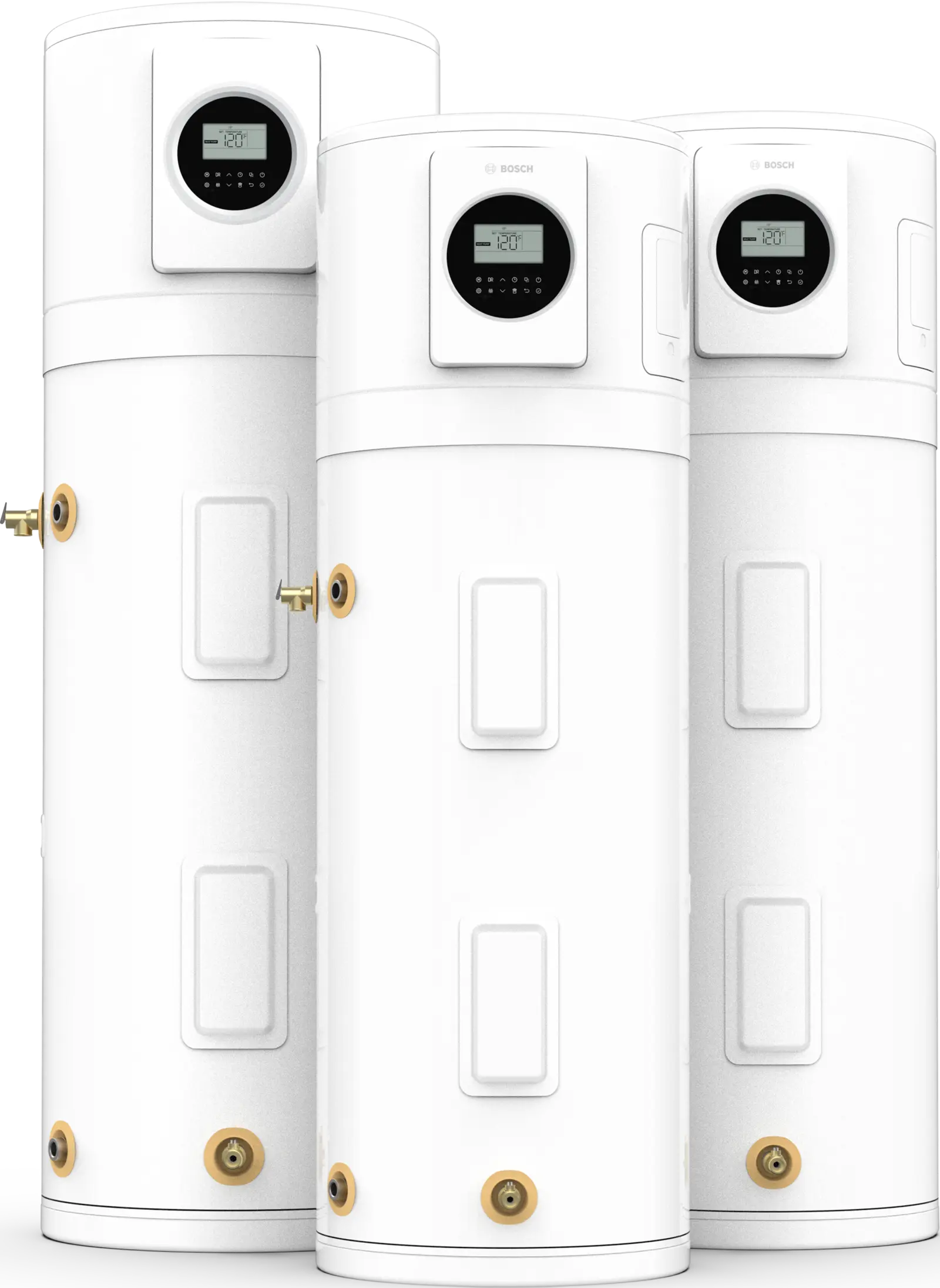
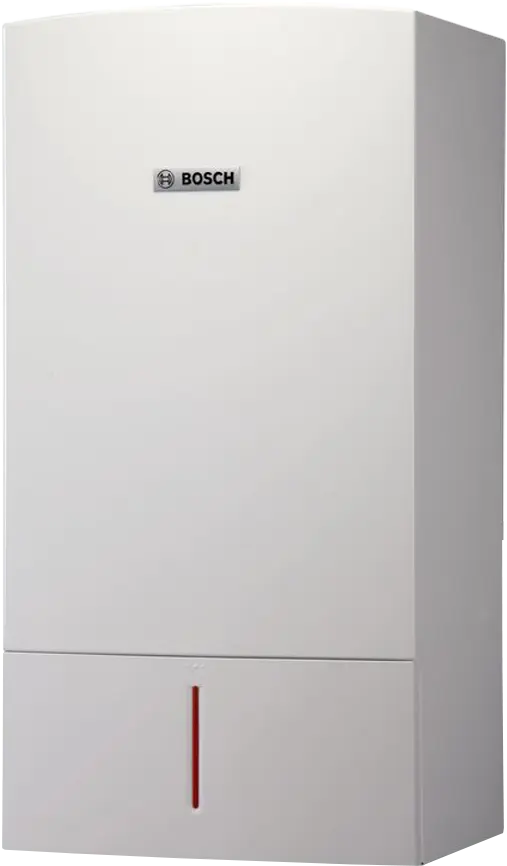
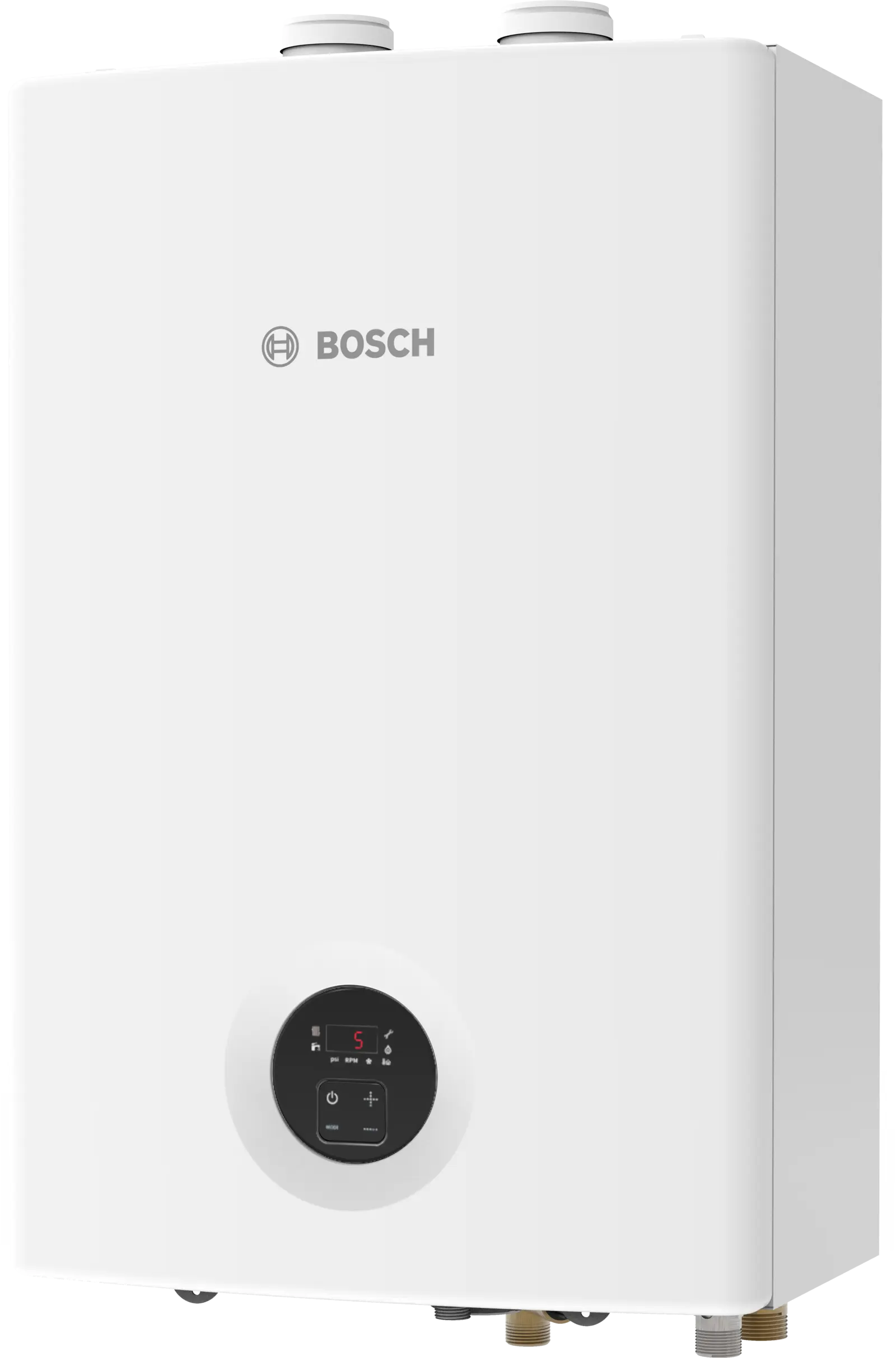
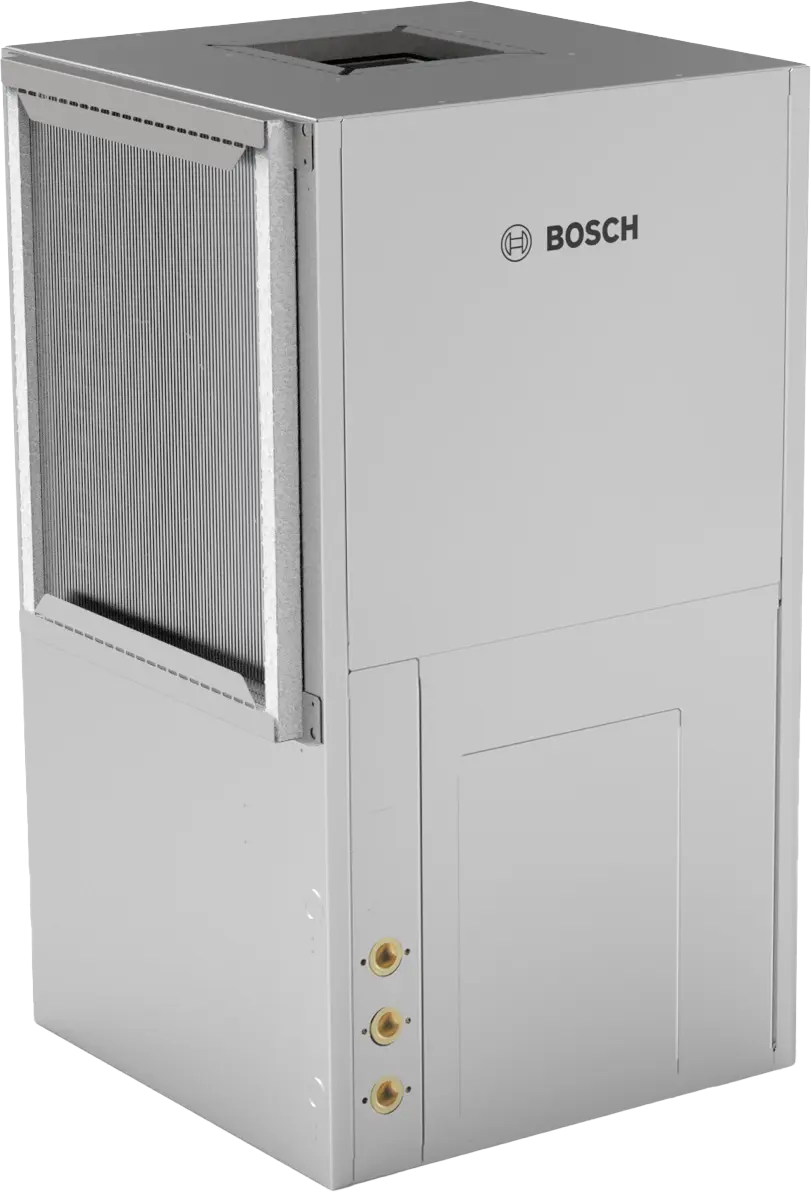
Bosch Home Comfort is proud to offer a multitude of products that qualify for the Inflation Reduction Act (IRA). Browse them below and view the rebates page to see if they are elgible in your state.

IRA FAQ: Common Questions About the Inflation Reduction Act
When will the Inflation Reduction Act (IRA) program be active?
When will the Inflation Reduction Act (IRA) program be active?
The tax credit provisions are already active and available. The rebate programs are still being implemented and the expected date of program activation is in late 2023 through 2024 depending on the state.
Which HVAC products qualify for the Inflation Reduction Act (IRA)?
Which HVAC products qualify for the Inflation Reduction Act (IRA)?
Do I need a PIN or code to claim product tax credits?
Do I need a PIN or code to claim product tax credits?
Taxpayers must include a qualified product identification number (PIN) on their tax returns to claim credits for specified property placed in service on or after January 1, 2025. For specified property placed in service in 2025, a QM Code can be used instead of a PIN, while a full 17-character PIN is required for property placed in service on or after January 1, 2026.
The QM code for Bosch heating and cooling products is K3M2. To learn more about this requirement, please view this FAQ from the IRS.
How much money can I get for a heat pump installation?
How much money can I get for a heat pump installation?
It depends on many factors including the program you’re applying for, your tax burden to the IRS, and your income. Please consult your tax advisor to determine eligibility. For the 25C tax credit, eligible recipients can receive a tax credit up to 30% of the project cost with a $3,200 maximum and a separate $2,000 maximum for heat pumps and heat pump water heaters. Other programs such as HEEHR and HOMES offer incentives for heat pump installations, but more details need to be defined. Please consult your trusted tax advisor for further assistance.
What is the difference between a tax credit and rebate?
What is the difference between a tax credit and rebate?
- A rebate is a “point of sale payment program” for eligible consumers that directly reduce the price of the product and installation. (See: Inflation Reduction Act 2022: Sec. 50122 (b) (2)).
- A tax credit program is an indirect payment program that can dollar-for-dollar “reduce the amount of federal tax you owe”. (See: IRS: Credit and Deductions)
What are the 25C tax credit qualifications?
What are the 25C tax credit qualifications?
Per 26 USC § 25C(d)(1), quailed energy property must be “installed on or in connection with a dwelling unit located in the United States and used as a residence by the taxpayer” and “originally placed in service by the taxpayer”.
Do tax credits cover the cost of installation?
Do tax credits cover the cost of installation?
Yes, per 26 USC § 25C(d)(1), installation, labor, and onsite preparation costs are included.
What programs are income dependent?
What programs are income dependent?
The HEEHR and HOMES rebate programs have income qualifications. Please see the HOMES and HEEHR sections for more details. The 25C and 25D tax credit programs do not have an income eligibility criteria.
Where can I learn more about things like qualifying expenditures and credit amount, timing of credits, efficiency requirements, and more?
Where can I learn more about things like qualifying expenditures and credit amount, timing of credits, efficiency requirements, and more?
Visit the IRS' frequently asked questions page about energy efficient home improvements and residential clean energy property credits, here.
Quick Links & Resources for More Information On the Inflation Reduction Act (IRA)

Find what Bosch HVAC products qualify for tax credits and rebates under the Inflation Reduction Act (IRA):
25C Qualified Product Lists:
- 25C qualified product list for ducted and non-ducted heat pumps (2024) (PDF 0.3 MB)
- 25C qualified product list for R-410A ducted and non-ducted heat pumps (2025) (PDF 0.2 MB)
- 25C qualified product list for R-454B ducted and non-ducted heat pumps (2025) (PDF 0.2 MB)
- 25C qualified product list for gas boilers and water heaters (PDF 0.1 MB)
- 25C qualified product list for oil boilers (PDF 0.1 MB)
25D Qualified Product List:
CEE Directory for Qualified Products
Filter by qualifying tier for each product:
- Gas Products
- Gas boilers: Tier 2
- Gas instantaneous water heaters: Tier 2
- Gas furnace: Tier 3
- Heat Pumps
- Split ducted ASHP: Tier 1
- Split non-ducted ASHP: Tier 2
- Packaged ASHP: Tier 1
Energy Star Certified Products (Filter for Bosch)
- Energy Star certified ducted air source heat pumps
- Energy Star certified mini-split air source heat pumps
- Energy Star certified geothermal heat pumps
- Energy Star certified water heaters
- Energy Star certified boilers
- Energy Star certified furnaces
45L Tax Credit Quick Links for Developers
- Home Pages for Programs
- Specifications for Projects
- Partner Locator
IRA Rebate Program Information
Status of IRA rebate funding allocations by state FAQs on rebate programs IRA rebate program specification guidelines (PDF)General Inflation Reduction Act Information
Information for homeowners on how to utilize the IRA from the Department of Energy 2022 vs. 2023 tax credit comparisonInformation on Tax Credits
IRS One-Sheet Explainer on 25C Tax Credit (PDF 0.1 MB) IRS Form 5695 used for 25C and 25D Tax Credits IRS FAQ on 25C and 25D Education on difference between tax credits and deductionsMedian Family Income Search Tool
MFI Search ToolThis page was last reviewed and edited on 07/17/25. We cannot guarantee accuracy of content in external links. Please consult your financial advisor to determine eligibility.
The IRA only applies to residents of the United States.